
There's a peculiar alchemy that occurs when you return to a book you first read decades ago. The words haven't changed—the same sentences occupy the same pages—yet the experience feels entirely different. What seemed romantic at twenty might strike you as tragic at fifty. Characters you admired in youth now reveal complexities you couldn't perceive without having lived through similar struggles. The book hasn't aged, but you have, and that makes all the difference.
Classic literature—those enduring works that have resonated across generations—possesses a remarkable quality: they reveal different dimensions depending on the life experience you bring to them. For readers in midlife, returning to canonical texts or encountering them for the first time offers rewards that simply weren't accessible in youth.
Why Experience Transforms Literary Understanding
When we read, we don't merely decode words on a page. We actively construct meaning by connecting the text to our own experiences, knowledge, and emotional landscape. Literary theorist Louise Rosenblatt called this the "transactional" nature of reading—the meaning emerges from the interaction between reader and text, not from the text alone.
This explains why the same novel can affect different readers so differently, and why it affects the same reader differently at different life stages. You bring a fundamentally different self to the reading experience at fifty than you did at twenty.
Consider what you've accumulated through decades of living: you've navigated complex relationships, experienced loss, witnessed consequences of decisions made years ago, confronted your own limitations, celebrated achievements, endured disappointments, raised children or supported ageing parents, built careers, questioned purpose, and developed wisdom about human nature that only experience provides.
All of this becomes part of your reading apparatus. When Anna Karenina struggles with the constraints of her social position, a mature reader recognizes nuances invisible to someone who hasn't yet felt trapped by choices made years earlier. When King Lear rages against his daughters' ingratitude, readers who've navigated complicated family dynamics perceive layers of complexity beyond simple betrayal.
What Changes: Reading Through Different Lenses
Several specific dimensions of literary appreciation deepen with life experience:
Recognition of Ambiguity: Young readers often want clear heroes and villains, satisfying resolutions, and moral certainty. Life teaches us that people are complex mixtures of virtue and fault, that situations rarely present simple right answers, and that some tensions remain unresolved. Classic literature frequently operates in exactly this moral complexity, which mature readers are better equipped to appreciate.
Revisiting The Great Gatsby in midlife, you might find yourself less charmed by Gatsby's romantic obsession and more troubled by his delusion and inability to accept reality. Nick Carraway's ambivalence about the entire affair makes more sense when you've experienced being simultaneously attracted to and repelled by someone's choices.
Understanding of Consequences: Great literature often explores how decisions ripple across years. Youth focuses on immediate drama; experience recognizes long-term consequences. Thomas Hardy's novels, for instance, often hinge on small choices that determine entire life trajectories—something that resonates more deeply when you've witnessed how a single decision can redirect your path.
Appreciation of Restraint: The dramatic gesture appeals to youth; subtle emotional truth resonates with maturity. Jane Austen's work, sometimes dismissed by young readers as merely about manners and marriage, reveals itself as sophisticated psychological exploration when you've developed the capacity to recognize what's communicated through implication, silence, and social nuance.
Empathy Across Perspectives: Life experience typically expands your capacity for empathy. You've been the ambitious young person, the overwhelmed parent, the person facing moral dilemmas, the one making mistakes. This allows you to inhabit multiple characters' perspectives in ways that weren't possible when you'd only lived one narrow slice of human experience.
Specific Works That Reward Mature Reading
While all significant literature offers rewards at any age, certain works seem particularly to reveal themselves to readers with life experience:
Middlemarch by George Eliot: This sprawling novel about provincial English life examines how idealism confronts reality, how marriages evolve, how careers disappoint or fulfill, and how we construct meaning amid ordinary existence. These themes resonate profoundly with readers who've lived long enough to see their own youthful dreams tested by reality.
Dorothea Brooke's idealistic marriage to the elderly scholar Casaubon might seem merely unfortunate to a young reader. Someone who's navigated decades of partnership recognizes the devastating precision with which Eliot depicts two fundamentally incompatible people trying to make a life together, each disappointed by the other's failure to fulfill fantasized expectations.
King Lear by Shakespeare: This tragedy of ageing, family conflict, and the struggle to maintain dignity amid decline speaks directly to concerns that become pressing in later life. The play's exploration of how we divide our legacy, relate to adult children, and face diminishing capacity carries weight that younger readers can understand intellectually but not viscerally.
The Death of Ivan Ilyich by Tolstoy: This novella about a man confronting mortality while questioning whether he's lived authentically affects readers differently depending on their proximity to similar questions. In youth, it's an interesting meditation. In midlife, when you're acutely aware that more years lie behind than ahead, it becomes almost unbearably relevant.
Beloved by Toni Morrison: While this novel's exploration of slavery's trauma and legacy is powerful at any age, readers with parenting experience may find particular resonance in Sethe's desperate choices regarding her children. The novel asks profound questions about what we owe the next generation and how past trauma shapes present relationships—questions that deepen when you've grappled with your own version of generational responsibility.
The Remains of the Day by Kazuo Ishiguro: This quiet novel about a butler reflecting on his life of devoted service reveals itself fully to readers who've had enough experience to recognize the particular regret that comes from realizing you've devoted yourself to the wrong things, or subordinated authentic living to propriety or duty.
Approaches to Rereading Classics
If you're inspired to revisit books from your past or tackle classics you've never read, several approaches can enrich the experience:
Notice What's Changed: If you're rereading, pay attention to what strikes you differently. Which characters do you now sympathize with? What themes seem more or less important? What did you miss entirely in earlier readings? These shifts reveal not just the text but your own development.
Read Slowly and Attentively: Unlike genre fiction designed for rapid consumption, literary classics reward slow, careful reading. Give yourself permission to pause, reflect, reread passages, and sit with complexity rather than rushing toward resolution.
Engage Contextually: Understanding the historical and cultural context in which a work was written adds dimensions of appreciation. A little background reading about Victorian England enriches Dickens; knowing about Russian aristocratic society illuminates Tolstoy. But don't let this become purely academic—context serves appreciation, not replacement of personal response.
Write As You Read: Keep a reading journal noting passages that strike you, questions that arise, connections to your own experience. This active engagement deepens comprehension and creates a record of your interaction with the text.
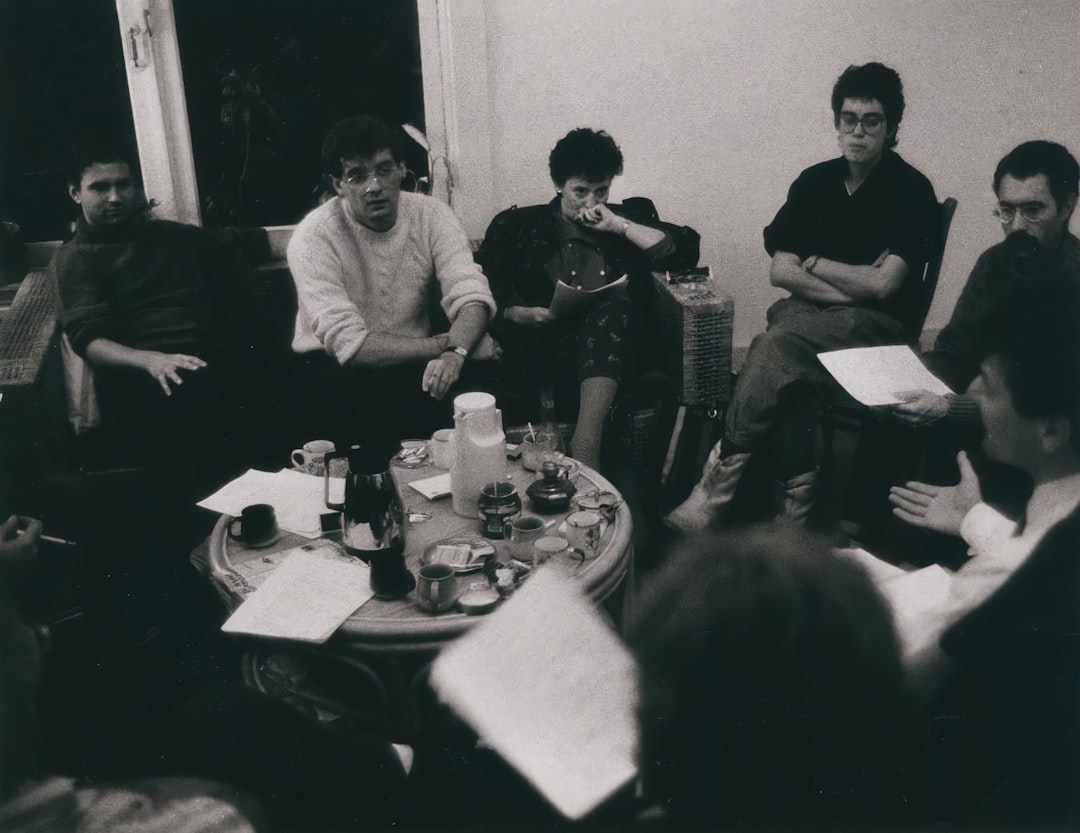
Discuss With Others: Literary conversation multiplies perspectives. Other readers notice what you miss and interpret differently. Our Literature Salons at Heathdale.site exist precisely for this purpose—bringing together mature readers to explore classic works through discussion that honours both the text and diverse life experiences.
Let Yourself Disagree: Canonical status doesn't mean you must love or agree with everything. Strong personal response—including negative reaction—is valuable. Asking why you react as you do can be as illuminating as loving a work unreservedly.
Beyond the Canon: Expanding Your Definition
While traditional Western canon deserves engagement, "classic literature" needn't be limited to conventionally recognized works. Classics from other cultures, works by historically marginalized voices, and more recent novels achieving enduring status all offer rich material for mature reading.
Consider exploring:
- One Hundred Years of Solitude by Gabriel García Márquez for magical realism exploring family legacy and historical cycles
- The Tale of Genji by Murasaki Shikibu for an 11th-century Japanese perspective on love, loss, and court life
- Things Fall Apart by Chinua Achebe for Nigerian colonial experience and cultural collision
- The Left Hand of Darkness by Ursula K. Le Guin for science fiction exploring gender, culture, and human nature
- Invisible Man by Ralph Ellison for African American experience and questions of identity and visibility
The principle remains the same: substantial works exploring fundamental human experiences reward engagement from readers who've lived enough to bring depth to their reading.
Common Barriers and How to Overcome Them
Despite clear rewards, many adults hesitate to engage with classic literature. Understanding common barriers helps address them:
"I'm not smart enough": This limiting belief often stems from negative school experiences or intimidation by academic criticism. Remember that literature exists primarily for enjoyment and illumination, not academic analysis. You don't need expertise to respond authentically to a text.
"I don't have time": Classic literature needn't be consumed in huge chunks. Twenty pages a day of a substantial novel is entirely sufficient. Most classics reward slow reading better than rushed completion anyway.
"The language is too difficult": Some older texts use unfamiliar language or references. Rather than viewing this as an obstacle, consider it an invitation to expand your linguistic range. Context usually clarifies meaning, and occasional uncertainty doesn't prevent understanding or appreciation.
"It's boring": If a particular classic doesn't engage you, that's fine. Try another. The canon is vast and varied—somewhere within it are works that will resonate with you. Don't force yourself through books you genuinely dislike out of obligation.
"I prefer contemporary fiction": You needn't choose between classic and contemporary reading. Both offer unique pleasures. Contemporary fiction often feels more immediately relevant; classic literature provides perspective across time and connection to enduring human patterns.
The Social Dimension: Literature as Connection
While reading is often solitary, discussing literature creates profound connection. There's something uniquely valuable about gathering with others to explore a shared text, bringing different perspectives and experiences to illuminate what you've all read.
This is why book clubs and literary salons have flourished for centuries. When you discuss Pride and Prejudice with a group of mature readers, the conversation moves far beyond plot summary to explore themes of marriage, financial security, social expectations, and authentic connection—topics everyone brings personal insight to.
At our Classic Literature Salons, participants regularly comment on how discussion completely transforms their understanding of a work. Someone notices a pattern you missed. Another reader's different interpretation challenges your assumptions. A participant's personal experience suddenly illuminates a character's motivation.
This communal exploration of literature creates connection not just to the texts but to each other—bonding over shared appreciation for language, ideas, and the human experiences literature explores.
What Literature Offers That Life Doesn't
Finally, it's worth considering what literature uniquely provides. Life offers direct experience but limited perspective—you only live your own life, see through your own eyes, inhabit your own circumstances.
Literature offers vicarious experience across vast ranges of human possibility. Through reading, you can inhabit consciousness utterly different from your own, experience historical periods you could never visit, explore moral dilemmas you'll never personally face, and understand perspectives fundamentally unlike yours.
This expansion of empathy and understanding is one of literature's greatest gifts. At a time when society often feels fractured and polarized, the capacity to imaginatively inhabit different perspectives feels particularly valuable.
Classic literature specifically offers the additional gift of time-tested wisdom. These works have endured because they illuminate something true about human experience across centuries and cultures. Engaging with them connects you to a conversation spanning generations—readers of The Odyssey in ancient Greece asked similar questions about home and identity that you ask today.
Beginning Your Literary Journey
If you're inspired to engage more deeply with classic literature, start simply. Choose one work that genuinely interests you—perhaps something you read in youth and want to revisit, or a classic you've always meant to read. Set aside regular time for reading, even if just twenty minutes daily. Consider joining a book group or our Literature Salons to add the social dimension.
Most importantly, approach reading as pleasure and exploration rather than obligation. The goal isn't completing a checklist of canonical works but rather enriching your life through engagement with substantial literature that rewards your attention.
The books are waiting. They've waited centuries, and they'll wait for you. But the conversation between you and these enduring works of human imagination—that conversation can only happen when you open the cover and begin to read.
And the particular conversation that happens now, bringing your decades of life experience to meet these timeless texts, is one that couldn't have happened at any earlier point in your life. That makes it worth having.